Heart attacks have become one of the most common health emergencies worldwide. Many people ignore the early warning signs until the condition becomes severe. Understanding Heart Attack Symptoms can help save lives by ensuring quick medical attention and timely treatment. A heart attack, also known as myocardial infarction, occurs when blood flow to the heart muscle becomes blocked. Without proper blood supply, the heart muscle begins to get damaged.
In this detailed guide, you will learn about the early warning signs of a heart attack, major causes, risk factors, prevention methods, emergency treatment, and lifestyle changes that can help protect your heart health.
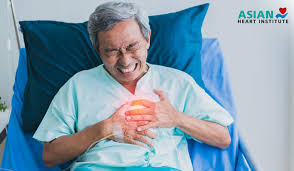
What Is a Heart Attack?
A heart attack happens when one or more coronary arteries become blocked due to fat deposits, cholesterol, or blood clots. This blockage prevents oxygen-rich blood from reaching the heart muscle. If treatment is delayed, the heart muscle can suffer permanent damage.
Many people confuse a heart attack with cardiac arrest, but both are different conditions. A heart attack is caused by blocked blood flow, while cardiac arrest occurs when the heart suddenly stops beating.
Early Warning Signs of Heart Attack Symptoms
Recognizing the warning signs early can make a major difference. Some symptoms appear suddenly, while others develop slowly over time.
1. Chest Pain or Discomfort
Chest pain is the most common sign of a heart attack. It may feel like:
- Pressure in the chest
- Tightness or squeezing sensation
- Burning pain
- Heaviness in the chest
The discomfort may last for several minutes or come and go repeatedly.
2. Shortness of Breath
Difficulty breathing can happen before or during a heart attack. Some people feel breathless even while resting or performing light activities.
Shortness of breath is especially common in women and older adults.
3. Pain in Arms, Neck, Jaw, or Back
Heart attack pain does not always stay in the chest. It may spread to:
- Left arm
- Both arms
- Neck
- Jaw
- Shoulder
- Upper back
This type of pain is often ignored because people mistake it for muscle pain or fatigue.
4. Excessive Sweating
Cold sweats without physical activity can indicate a heart problem. Sudden sweating combined with chest discomfort should never be ignored.
5. Nausea and Vomiting
Some people experience stomach discomfort, nausea, or vomiting before a heart attack. These symptoms are more common in women.
6. Dizziness or Lightheadedness
Feeling dizzy, weak, or faint may occur due to reduced blood flow to the brain during a heart attack.
7. Extreme Fatigue
Unusual tiredness or weakness for several days or weeks can be an early sign of heart trouble, especially in women.
Silent Heart Attack Symptoms
Not all heart attacks produce severe chest pain. Some are “silent” and have mild symptoms that people fail to notice.
Silent Heart Attack Symptoms include:
- Mild chest discomfort
- Fatigue
- Heartburn-like feeling
- Sweating
- Shortness of breath
- Mild jaw or back pain
Even silent heart attacks can damage the heart and require medical treatment.
Causes of Heart Attacks
Several health and lifestyle factors contribute to heart attacks.
1. High Cholesterol
High levels of bad cholesterol can build plaque inside arteries, causing blockage.
2. High Blood Pressure
Uncontrolled blood pressure damages arteries and increases heart strain.
3. Smoking
Smoking reduces oxygen supply and damages blood vessels.
4. Diabetes
High blood sugar levels increase the risk of heart disease and artery damage.
5. Obesity
Excess body weight increases cholesterol, blood pressure, and diabetes risk.
6. Stress
Chronic stress may increase blood pressure and unhealthy lifestyle habits.
7. Lack of Physical Activity
An inactive lifestyle weakens the heart and circulation system.
8. Unhealthy Diet
Foods high in saturated fat, sugar, and salt increase heart disease risk.
Risk Factors for Heart Attack
Some factors increase the chances of developing heart disease.
Major Risk Factors
- Smoking
- Obesity
- High cholesterol
- Diabetes
- High blood pressure
- Family history of heart disease
- Stress
- Alcohol abuse
- Poor sleep quality
Men over 45 and women over 55 have a higher risk of heart attacks.
Heart Attack Symptoms in Men and Women
Symptoms can differ between men and women.
Symptoms Common in Men
- Severe chest pain
- Pain in left arm
- Sweating
- Shortness of breath
Symptoms Common in Women
- Nausea
- Fatigue
- Jaw pain
- Back pain
- Mild chest discomfort
- Dizziness
Women often experience less obvious symptoms, leading to delayed treatment.
What to Do During a Heart Attack
Quick action can save lives.
Step 1: Call Emergency Services
Immediately contact emergency medical help if heart attack symptoms appear.
Step 2: Chew an Aspirin
Aspirin may help reduce blood clotting. Only take it if advised by medical professionals.
Step 3: Stay Calm
Sit down and try to remain calm while waiting for help.
Step 4: CPR if Needed
If a person becomes unconscious and stops breathing, CPR should begin immediately.
Heart Attack Diagnosis
Doctors use several tests to confirm a heart attack.
Common Diagnostic Tests
- ECG (Electrocardiogram)
- Blood tests
- Echocardiogram
- Coronary angiography
- Stress test
Early diagnosis improves treatment success.
Heart Attack Treatment Options
Treatment depends on the severity of blockage and heart damage.
1. Medications
Doctors may prescribe:
- Blood thinners
- Cholesterol medicines
- Blood pressure medicines
- Pain relievers
2. Angioplasty
A small balloon is inserted into blocked arteries to improve blood flow.
3. Stent Placement
A metal stent helps keep arteries open.
4. Bypass Surgery
Severely blocked arteries may require bypass surgery.
Heart Attack Prevention Tips
Preventing heart disease is possible with healthy lifestyle choices.
1. Eat a Heart-Healthy Diet
Choose foods rich in nutrients and low in unhealthy fats.
Healthy Foods Include:
- Fruits
- Vegetables
- Whole grains
- Nuts
- Fish
- Lean protein
Avoid processed food, sugary drinks, and excessive salt.
2. Exercise Regularly
Physical activity strengthens the heart and improves circulation.
Recommended Activities:
- Walking
- Jogging
- Cycling
- Swimming
- Yoga
Aim for at least 30 minutes of exercise daily.
3. Quit Smoking
Stopping smoking significantly reduces heart attack risk within a few years.
4. Control Blood Pressure
Monitor blood pressure regularly and follow medical advice.
5. Manage Cholesterol Levels
Healthy eating and exercise help maintain balanced cholesterol levels.
6. Reduce Stress
Stress management techniques include:
- Meditation
- Deep breathing
- Yoga
- Adequate sleep
7. Maintain Healthy Weight
Weight management lowers strain on the heart and blood vessels.
8. Get Regular Health Checkups
Routine health screenings can detect early heart disease risk factors.
Foods That Help Protect Heart Health
Certain foods support cardiovascular health naturally.
Best Heart-Healthy Foods
- Oats
- Almonds
- Walnuts
- Green leafy vegetables
- Olive oil
- Berries
- Salmon
- Avocados
These foods contain healthy fats, fiber, antioxidants, and nutrients.
Foods to Avoid for Better Heart Health
Reducing unhealthy foods can lower heart disease risk.
Avoid These Foods
- Fried foods
- Fast food
- Processed meat
- Sugary snacks
- Excess salt
- Soft drinks
- Trans fats
Importance of Sleep for Heart Health
Poor sleep can increase stress hormones and blood pressure.
Adults should aim for 7–8 hours of quality sleep each night to support healthy heart function.
Heart Attack Symptoms
Heart Attack Symptoms
Heart Attack Symptoms
Heart Attack Symptoms
Heart Attack Symptoms
Heart Attack Symptoms
Heart Attack Symptoms
Heart Attack Symptoms
Heart Attack Symptoms
Heart Attack Symptoms
Heart Attack Symptoms
Can Young People Have Heart Attacks?
Yes, heart attacks are increasing among younger adults due to:
- Stress
- Smoking
- Obesity
- Poor diet
- Lack of exercise
Young people should not ignore chest pain or unusual fatigue.
Emotional Impact After a Heart Attack
Many survivors experience anxiety, stress, or depression after recovery. Emotional support from family, friends, and healthcare professionals is important.
Cardiac rehabilitation programs can help patients recover physically and emotionally.
Heart Attack Symptoms
Heart Attack Symptoms
Heart Attack Symptoms
Heart Attack Symptoms
Heart Attack Symptoms
Common Myths About Heart Attacks
Myth 1: Heart Attacks Only Affect Old People
Heart attacks can happen at any age.
Myth 2: Chest Pain Is Always Severe
Some heart attacks cause only mild discomfort.
Myth 3: Women Rarely Have Heart Attacks
Heart disease is one of the leading causes of death among women.
Myth 4: Healthy-Looking People Cannot Have Heart Disease
Even fit individuals may develop heart problems due to genetics or hidden risk factors.
Long-Term Lifestyle Changes After a Heart Attack
Recovering from a heart attack is not only about medicines and hospital treatment. It also requires permanent lifestyle improvements to protect the heart from future damage. Many patients can live a healthy and active life after recovery if they follow proper medical advice and maintain healthy daily habits.
Importance of Regular Exercise
Exercise improves blood circulation, strengthens the heart muscle, and helps maintain healthy cholesterol levels. After recovery, doctors often recommend light physical activities such as:
- Walking
- Cycling
- Stretching
- Swimming
- Yoga
Regular exercise also helps reduce stress and improves mental health. However, intense workouts should only be started after consulting a doctor.
Mental Health and Heart Disease Connection
Stress, anxiety, and depression can negatively affect heart health. Emotional stress increases blood pressure and may trigger unhealthy habits like smoking, overeating, or alcohol consumption.
People recovering from heart problems should focus on mental wellness through:
- Meditation
- Deep breathing exercises
- Positive sleep routines
- Spending time with family
- Relaxation activities
Maintaining emotional balance is important for long-term heart health.
Warning Signs That Should Never Be Ignored
Some symptoms may appear mild but can indicate serious heart problems. Immediate medical help is needed if someone experiences:
- Sudden chest tightness
- Severe breathing difficulty
- Pain spreading to arms or jaw
- Continuous sweating
- Rapid heartbeat
- Sudden weakness or fainting
Ignoring these signs can increase the risk of severe heart damage or even death.
Best Daily Habits for Heart Attack Prevention
Healthy daily routines play a major role in reducing heart disease risk.
Healthy Habits Include:
- Drinking enough water
- Eating fresh fruits and vegetables
- Avoiding junk food
- Sleeping 7–8 hours daily
- Managing stress levels
- Avoiding smoking and alcohol
- Staying physically active
Small lifestyle changes made consistently can greatly improve heart health over time.
Why Regular Heart Checkups Are Important
Many heart problems develop silently without noticeable symptoms. Regular health checkups help identify issues before they become dangerous.
Doctors may check:
- Blood pressure
- Cholesterol levels
- Blood sugar
- Heart rhythm
- Body weight
Early detection allows timely treatment and lowers the risk of future heart attacks.
Role of Family History in Heart Disease
People with a family history of heart disease may have a higher chance of developing heart-related problems. If parents or close relatives had heart attacks, it becomes even more important to maintain a healthy lifestyle and undergo regular medical screenings.
Genetics may increase risk, but healthy habits can still significantly reduce the chances of heart disease.
Importance of Quick Medical Attention
During a heart attack, every minute matters. Fast treatment can reduce heart muscle damage and improve survival chances. Delaying medical care can lead to serious complications such as:
- Heart failure
- Irregular heartbeat
- Permanent heart damage
- Sudden cardiac arrest
This is why recognizing Heart Attack Symptoms early is extremely important.
Final Thoughts
Heart attacks are becoming increasingly common due to unhealthy lifestyles, stress, poor eating habits, and lack of exercise. Understanding Heart Attack Symptoms and recognizing the warning signs early can help save lives and reduce complications.
Simple lifestyle changes such as healthy eating, regular exercise, stress control, proper sleep, and regular medical checkups can greatly lower the risk of heart disease. Never ignore chest pain, breathing problems, unusual fatigue, or sudden sweating.
According to the Mayo Clinic, early treatment and quick medical attention are essential for improving survival rates and reducing heart damage.
Taking care of your heart today can help you live a healthier and longer life in the future.
When to See a Doctor
Seek immediate medical attention if you experience:
- Chest pain
- Difficulty breathing
- Sudden sweating
- Arm or jaw pain
- Dizziness
- Unusual fatigue
Ignoring symptoms can lead to severe complications.
Heart Attack Symptoms
Heart Attack Symptoms
Heart Attack Symptoms
Heart Attack Symptoms
Heart Attack Symptoms
Heart Attack Symptoms
Heart Attack Symptoms
Heart Attack Symptoms
https://www.mayoclinic.org/diseases-conditions/heart-attack/symptoms-causes/syc-20373106
Conclusion
Understanding Heart Attack Symptoms and recognizing the early warning signs can save lives. Chest pain, breathing difficulty, sweating, fatigue, and arm pain should never be ignored. Heart attacks can affect both men and women, and symptoms may vary between individuals.
Adopting a healthy lifestyle, exercising regularly, eating nutritious foods, controlling stress, and avoiding smoking are essential for heart attack prevention. Early diagnosis and quick medical treatment greatly improve survival and recovery chances.
Protect your heart by paying attention to your body and making heart health a daily priority.